

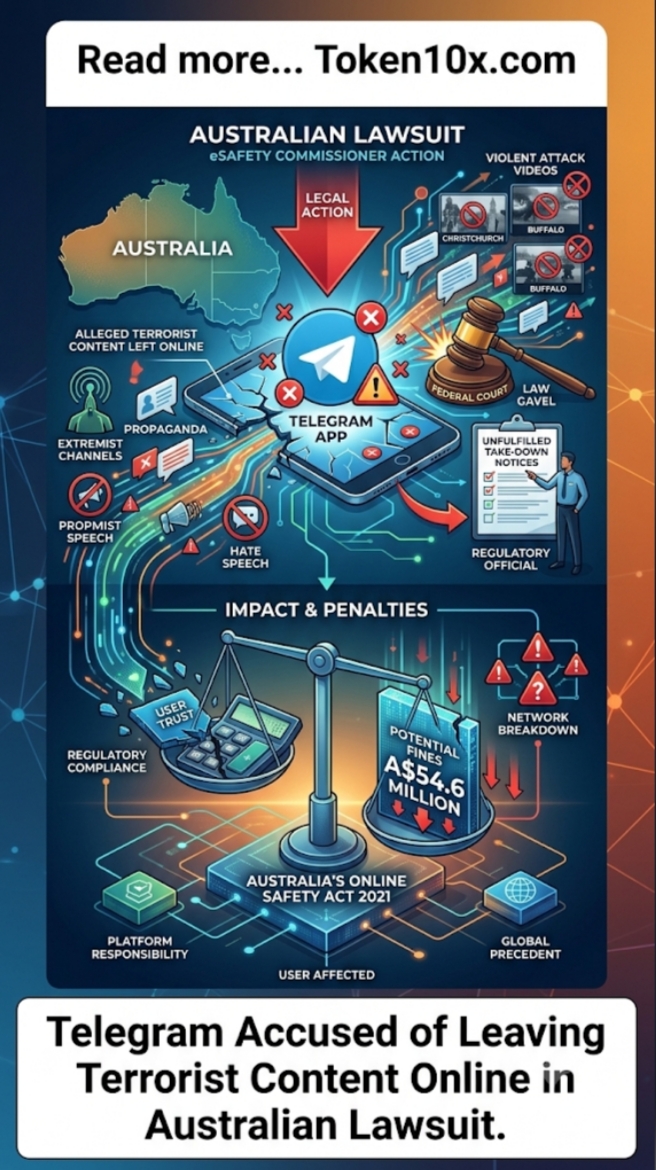
Telegram is facing accusations in an Australian lawsuit of failing to adequately remove terrorist content from its platform. The legal action claims the messaging app has not taken sufficient steps to address harmful material.
This case highlights ongoing global tensions between messaging platforms and governments regarding content moderation and online safety.
The Drivers of This Lawsuit
Australian authorities allege that Telegram allowed terrorist-related content to persist despite notifications and requests for removal. The lawsuit seeks to enforce greater platform accountability under local online safety and counter-terrorism laws.
For perspective, encrypted messaging apps like Telegram face particular scrutiny due to their privacy-focused design, which can make proactive content moderation more challenging while protecting user communications.
It is important to note the fundamental difference: the lawsuit centers on platform liability for hosted content, while Telegram’s architecture prioritizes user privacy, speed, and resistance to external censorship.
Impact and Broader Context
The Australian legal action adds pressure on Telegram and its leadership to review moderation practices in regulated markets. It may prompt operational changes to avoid further disputes.
This lawsuit sparks important discussions about online safety, free speech, platform responsibility, and the balance between privacy and security. Supporters of the action stress the need to prevent the spread of dangerous material. Critics argue that compelling platforms to actively police content risks undermining fundamental rights and innovation.
Analysts observe that high-profile cases are testing the limits of platform accountability in the digital age. Outcomes could influence similar legal challenges in other jurisdictions.
As the lawsuit advances and potential rulings emerge, it will shape Telegram’s approach to content governance in Australia and potentially beyond. The case may establish important precedents for encrypted messaging services worldwide.
This analysis is based on legal developments and industry trends for accuracy and reliability. Case outcomes remain subject to judicial proceedings.