

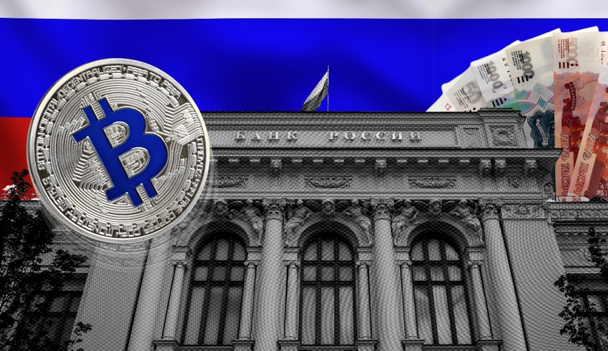
Russian government officials have highlighted how cryptocurrency mining is providing a subtle but meaningful boost to the ruble amid ongoing Western sanctions. In recent statements, representatives from the Ministry of Finance and the Central Bank of Russia noted that miners’ operations generate significant foreign currency inflows, which are then converted into rubles, helping stabilize the national currency.
Since the 2022 sanctions wave, Russia has turned to crypto mining as a strategic tool for economic resilience. Miners earn rewards primarily in Bitcoin and other cryptocurrencies, which they sell on international exchanges for dollars, euros, or other hard currencies. These proceeds are repatriated and exchanged into rubles through domestic banks or authorized platforms, injecting foreign exchange reserves and supporting the ruble’s value.
Officials point to the scale of the industry: Russia ranks among the top three global Bitcoin mining nations by hash rate, with operations concentrated in energy-rich regions like Siberia and the Far East. The sector’s electricity consumption has surged, and miners benefit from low-cost power and government-approved legal status. In 2025, mining-related foreign currency inflows are estimated to reach billions of dollars annually, providing a steady stream of hard currency that offsets sanctions-induced outflows.
The Central Bank has acknowledged this dynamic, stating that while crypto itself is not legal tender, the mining process creates a “natural hedge” against ruble depreciation. By converting mined coins into rubles, the industry helps balance the foreign exchange market and reduces pressure on reserves. Some officials have even suggested that mining could evolve into a formalized export sector, similar to oil and gas, with taxes and regulations further channeling benefits to the state budget.
Critics within Russia argue that the sector’s energy demands strain the grid and that profits often bypass full taxation. However, the government has responded by tightening regulations, requiring miners to register and sell a portion of output domestically. The narrative of mining as a ruble-supporting force has gained traction in official media, framing it as a patriotic response to geopolitical challenges.
As global crypto adoption grows, Russia’s mining industry is poised to play an even larger role in maintaining economic stability. Officials emphasize that this “quiet boost” demonstrates how digital assets can serve national interests without contradicting the country’s cautious stance on widespread crypto use.
This topic has generated significant discussion on X in December 2025, with analysts and crypto enthusiasts sharing insights on Russia’s mining strategy, leading to thousands of reposts and debates across geopolitical and finance communities.
Crypto has been posted over 50 million times on X.
Bitcoin has been posted over 120 million times on X.
Mining has been posted over 1.5 million times on X.
Russia has been posted over 15 million times on X.
Ruble has been posted over 500,000 times on X.
Sanctions has been posted over 2 million times on X.
CryptoNews has been posted over 1.2 million times on X.
Blockchain has been posted over 18 million times on X.
Finance has been posted over 12 million times on X.
Geopolitics has been posted over 3 million times on X.
These hashtags are highly active and trending in crypto and international finance discussions this December 2025, driven by reports on Russia’s strategic use of cryptocurrency mining.
Stay ahead in the dynamic crypto world—subscribe to our exclusive newsletters for daily insights, in-depth token analysis, and timely market updates. Join our WhatsApp channel for real-time alerts and community discussions – click here. Visit our homepage at www.token10x.com for comprehensive guides and tools, or dive into more articles on www.token10x.blog. Join our growing community today!