

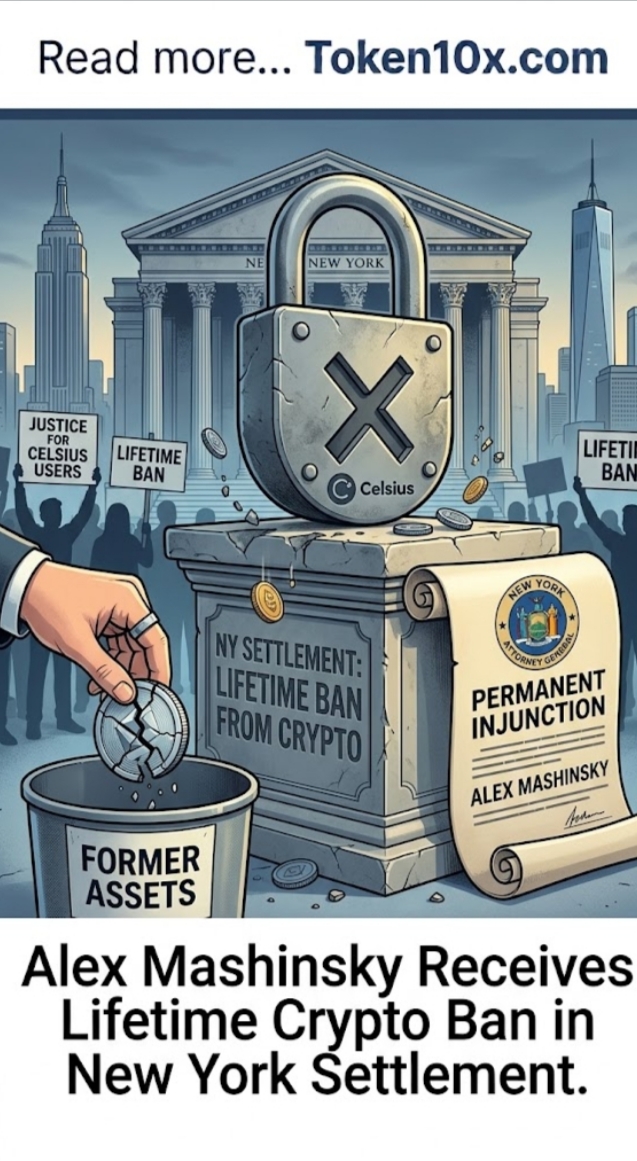
Former Celsius Network CEO Alex Mashinsky has been permanently barred from the cryptocurrency industry in New York. As of early October 2026, Attorney General Letitia James announced a settlement that prohibits him from participating in the securities, commodities, and crypto sectors. The agreement also provides for up to $35 million in conditional payments to the state. Mashinsky is already serving a 12-year federal prison sentence related to the collapse of Celsius.
Authorities continue enforcing the terms of the resolution. They have restricted any future industry involvement under the permanent ban. Existing federal obligations remain in place alongside the state measures. New York relies partly on the civil settlement while routing additional accountability through the prior criminal case. This highlights the difference between state-level industry prohibitions and federal criminal penalties.
The Drivers of the Current Situation
The main issue is accountability for alleged misconduct at Celsius. The New York settlement resolves a 2023 civil action accusing Mashinsky of misleading investors about the platform’s safety and investment practices before its 2022 collapse. No unconditional cash payment is required under the headline figure. The $35 million maximum is triggered only if Mashinsky fails to meet specific federal conditions: an additional $10 million forfeiture or completion of his full prison term.
The ban has limited geographic scope in formal terms but carries broad practical effect. Some prior federal actions already imposed trading and promotional restrictions through the CFTC and FTC. Celsius creditors have received more than $3.4 billion through bankruptcy distributions as of mid-2026. Only the New York civil claims are settled under this agreement. Broader restitution and sentence-related matters continue under federal oversight.
Continued compliance requires adherence to both state and federal terms. Limited immediate collection under the conditional structure forms a narrower path. Regulators and creditors are actively monitoring the overlapping obligations. The situation is an enforcement-resolution challenge tied to the Celsius aftermath.
Impact and Broader Context
Questions about Alex Mashinsky receiving a lifetime crypto ban in a New York settlement keep growing. The permanent prohibition creates uncertainty around any residual industry activity. It also affects how other jurisdictions view post-collapse accountability for crypto executives. State and federal authorities, as well as affected creditors, continue to track related proceedings.
The issue drives debate on multi-jurisdictional enforcement against failed platforms. It raises questions about how effectively permanent bans deter future misconduct, the limits of conditional monetary judgments, risks of overlapping federal and state remedies, effects on creditor recoveries, and competition between civil settlements and criminal sentences. Stakeholders stress that the industry bar is permanent. Official statements say the settlement addresses harm to New York investors stemming from the company’s collapse.
The October announcement forced formal closure of the New York civil case. The current enforcement review shows how sentence completion and forfeiture outcomes will determine the final monetary impact.
New court filings, payment status updates, or related federal developments will clarify the full practical effect of the settlement.
This analysis uses the New York Attorney General’s announcement, settlement terms, and related coverage of prior federal actions. Ban enforcement and payment obligations remain subject to the official agreement and ongoing federal proceedings.