

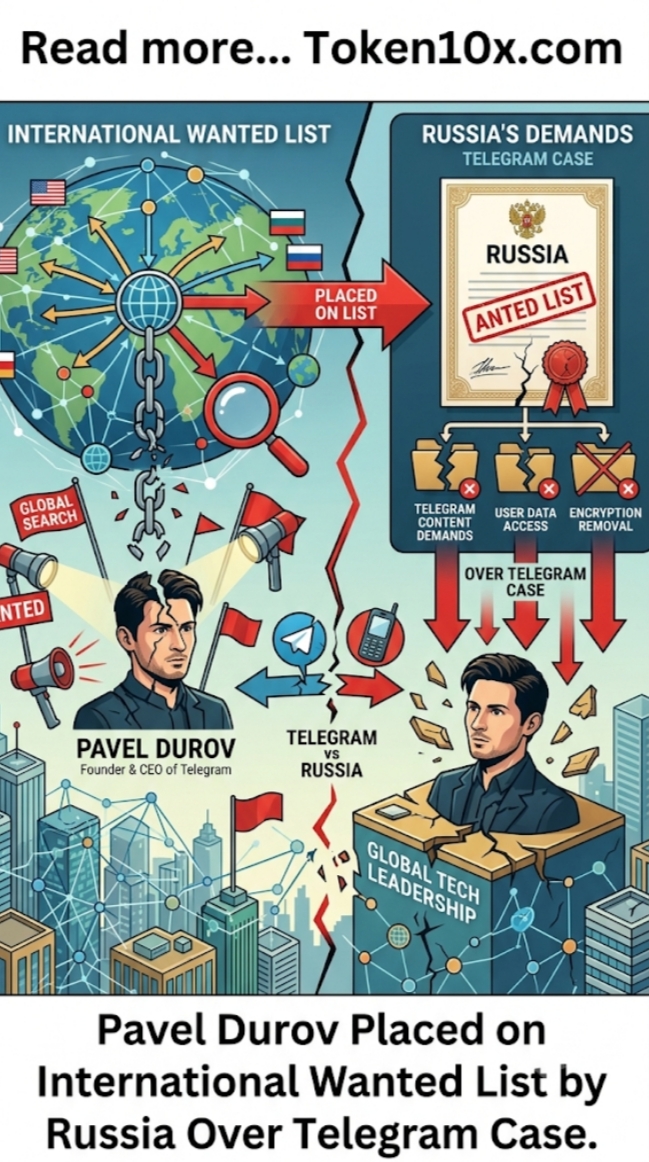
Pavel Durov, the founder of Telegram, has been placed on Russia’s international wanted list in connection with an ongoing case involving the messaging app. The development escalates long-standing tensions between the entrepreneur and Russian authorities.
This move reflects Russia’s continued efforts to exert pressure on Durov and Telegram over issues of content moderation and data access.
The Drivers of This Wanted List Action
Russian authorities have pursued legal action against Durov related to Telegram’s alleged failure to comply with demands for user data and content restrictions. The international wanted notice aims to facilitate potential extradition or restrict his movements amid the unresolved dispute.
For perspective, Durov has been a vocal advocate for privacy and platform independence, often clashing with governments seeking greater control over digital communications. The case highlights broader conflicts between tech platforms and state sovereignty.
It is important to note the fundamental difference: wanted list actions are law enforcement tools focused on compliance and jurisdiction, while Telegram’s design prioritizes user privacy and minimal content moderation.
Impact and Broader Context
Pavel Durov has built Telegram into a major global messaging platform known for its encryption and resistance to censorship. The wanted status adds complexity to his international travel and business operations.
This escalation sparks important discussions about digital sovereignty, platform regulation, and free speech versus security concerns. Supporters of Durov emphasize the importance of private communication channels. Critics argue platforms must cooperate with legitimate law enforcement requests.
Analysts observe that high-profile cases involving tech founders reflect growing tensions between global platforms and national governments. The outcome could influence how other messaging apps navigate similar pressures worldwide.
As the situation develops and potential legal proceedings unfold, Durov’s case will shape debates on platform accountability and user privacy. Future resolutions may set precedents for similar conflicts between technology leaders and state authorities.
This analysis is based on public reports and geopolitical context for accuracy and reliability. Developments remain subject to ongoing legal and diplomatic processes.