

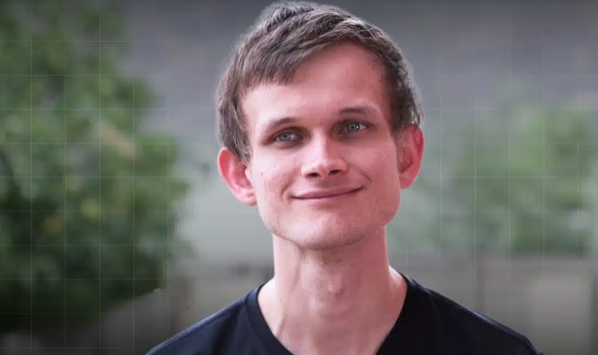
Ethereum co-founder Vitalik Buterin published a detailed blog post declaring that PeerDAS (Peer Data Availability Sampling) combined with maturing zkEVMs represent “the most profound structural changes to Ethereum’s architecture since the transition to proof-of-stake,” signaling the network’s decisive shift toward becoming a truly scalable, verifiable, and decentralized base layer for the next decade.
In the widely shared post titled “Ethereum’s Endgame: PeerDAS + zkEVMs = The Real Scaling Leap,” Vitalik outlined how:
- PeerDAS (expected to roll out in phases throughout 2026) will dramatically increase data availability sampling efficiency, allowing nodes to verify massive blob data without downloading everything — slashing full-node storage requirements by up to 90% while enabling 10x–100x more throughput for rollups
- zkEVMs have now reached production-grade maturity (with multiple implementations like Polygon zkEVM, zkSync Era, Scroll, and Linea all demonstrating near-full EVM equivalence and sub-second proving times) — unlocking trustless, instantly verifiable Layer-2 execution that rivals centralized performance
- The combination creates a “holy grail” flywheel: cheap, abundant data availability (PeerDAS) + fast, cheap, and fully verifiable computation (zkEVMs) = sustainable scaling without sacrificing decentralization
Vitalik emphasized that these upgrades move Ethereum away from “temporary band-aids” toward a permanent architectural foundation, stating: “We are no longer patching scalability — we are redesigning the stack from first principles to handle global-scale usage.” He projected that by late 2026–2027, the network could comfortably support thousands of rollups with millions of TPS in aggregate while keeping full nodes runnable on consumer hardware.
The post triggered an immediate wave of optimism across the ecosystem, with on-chain metrics showing increased developer activity on zkEVM testnets and a noticeable uptick in ETH staking as validators position for higher future rewards from expanded throughput. Community channels filled with technical breakdowns, “Ethereum finally wins” memes, and comparisons to previous scaling roadmaps that underdelivered.
While some critics argue timelines remain optimistic and real-world adoption lags behind tech progress, Vitalik’s endorsement has solidified market narrative: Ethereum’s long-promised scaling era is no longer theoretical — it’s structurally underway.
The story exploded across crypto Twitter starting January 6, with screenshots of Vitalik’s blog, PeerDAS architecture diagrams, zkEVM performance charts, and celebratory threads flooding feeds. Developers, researchers, and long-term holders are fiercely debating whether this marks the definitive turning point for Ethereum’s dominance.
#Crypto dominates global discussions with massive volume.
#Ethereum surges on Vitalik’s PeerDAS + zkEVMs vision.
#Vitalik trending worldwide in scaling roadmap talks.
#PeerDAS gains massive traction in data availability debates.
#zkEVM buzzing in zero-knowledge execution updates.
#Blockchain thrives in architectural evolution conversations.
#DeFi continues strong in next-gen scaling discussions.
Stay ahead in the fast-evolving crypto, Ethereum, and zero-knowledge scaling landscape — subscribe to our exclusive newsletters for daily insights, in-depth analysis, and timely upgrade updates at www.token10x.com. Join our WhatsApp channel for real-time alerts and community discussions – click here. Dive into more articles on www.token10x.blog. Join our growing community today!
What’s your take — do PeerDAS and zkEVMs truly represent the structural breakthrough that cements Ethereum as the unbeatable Layer-1 for the next era, or is Vitalik once again overhyping roadmap milestones that could still face years of delays and trade-offs? Drop your thoughts below 👇