

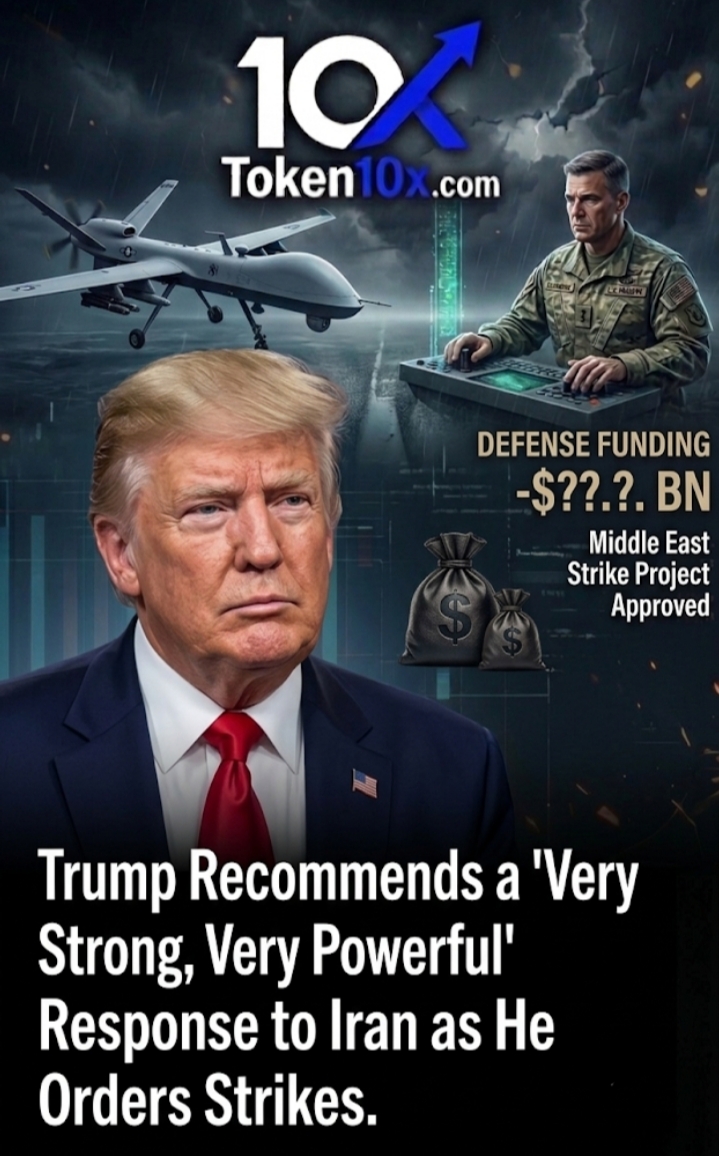
President Donald Trump has ordered U.S. military strikes on Iranian targets in retaliation for the downing of a U.S. Army Apache helicopter near the Strait of Hormuz, describing the response as “very strong, very powerful.”
In a direct statement to ABC News, Trump emphasized the need for decisive action following the incident, which occurred on Monday, June 9, 2026. U.S. Central Command (CENTCOM) confirmed self-defense strikes targeting Iranian assets linked to the attack. The two pilots from the downed helicopter were reported uninjured.
This latest escalation comes amid ongoing tensions and negotiations between the U.S. and Iran. Trump has indicated that a potential deal to resolve hostilities is in its “final throes,” potentially achievable within days, while maintaining a firm stance on military readiness. The incident highlights the fragile balance in the region, where diplomatic efforts coexist with rapid military responses.
Geopolitical and Economic Ripple Effects
The development carries significant weight for global stability and financial markets. The Strait of Hormuz, a critical chokepoint for roughly 20% of the world’s oil supply, remains a flashpoint. Any disruption here can trigger immediate spikes in crude oil prices, heightening inflationary pressures and economic uncertainty worldwide.
Investors and crypto traders are closely monitoring these events. Risk assets, including stock markets, Bitcoin, and other digital assets, often experience volatility during Middle East escalations. Safe-haven flows into gold, the U.S. dollar, and certain defensive stocks typically intensify, while technology companies with global supply chains face potential headwinds from rising energy costs and disrupted shipping.
Broader implications extend to international relations. The strikes underscore U.S. commitment to protecting its forces and interests, potentially influencing alliances involving Israel and Gulf states. For markets, such geopolitical shocks can reshape investor sentiment, driving shifts in commodities, equities, and cryptocurrency valuations as participants reassess risk premiums.
Market Implications and Investor Considerations
Historical patterns show that U.S.-Iran tensions frequently lead to short-term surges in oil and defense stocks, followed by potential rebounds if de-escalation signals emerge. Crypto markets, known for their sensitivity to macroeconomic news, may see correlated movements with traditional risk assets amid uncertainty.
Analysts suggest diversified portfolios and vigilant monitoring of energy prices and Federal Reserve signals could help navigate this period of heightened volatility. For deeper insights into how blockchain, AI, and emerging technologies intersect with these macro forces, explore comprehensive coverage at token10x.blog and strategic market analysis on token10x.com.
As the situation evolves, the interplay between military action, diplomatic progress, and global economic indicators will remain pivotal for investors, traders, and policymakers alike. Markets will likely price in both immediate risks and longer-term opportunities stemming from any resolution.
Disclaimer: This content is provided for informational and educational purposes only and should not be considered financial, investment, legal, or trading advice. Always conduct your own research and consult qualified professionals before making any financial decisions.