

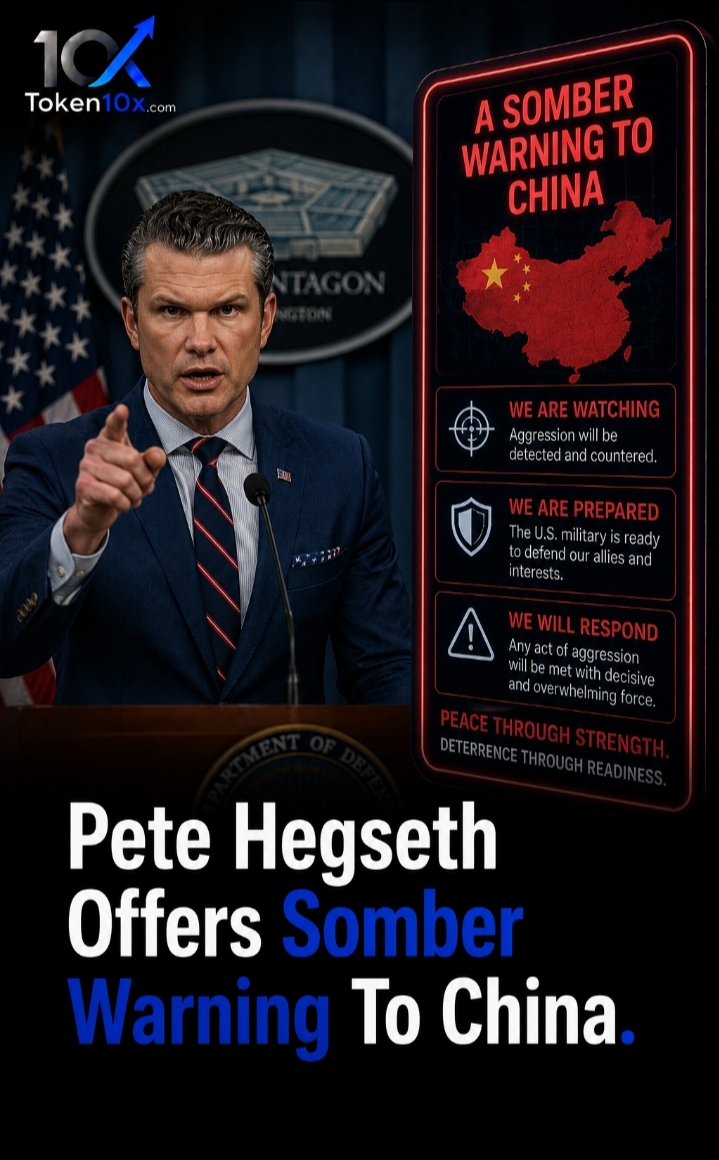
In late May 2026, U.S. Defense Secretary Pete Hegseth delivered a measured yet firm address at the Shangri-La Dialogue in Singapore, offering a somber warning regarding China’s growing military capabilities and regional ambitions. Speaking at Asia’s premier defense summit, Hegseth highlighted what he described as “rightful alarm” over China’s historic military buildup and expanding activities across the Indo-Pacific and beyond. While emphasizing the United States’ commitment to the region, he stressed that no single power, including China, should be allowed to impose hegemony and disrupt the balance that has long supported stability and prosperity.
Hegseth reassured Pacific allies of America’s enduring presence as a Pacific nation while calling for greater burden-sharing. He made clear that the era of the U.S. subsidizing the defense of wealthy partners is ending, urging nations to boost their own military spending and become more self-reliant. This approach aims to strengthen collective deterrence without unnecessary confrontation. The remarks come weeks after high-level engagements, including President Trump’s recent visit to Beijing, which both sides described as opening a new chapter of constructive dialogue based on fairness and reciprocity.
The speech struck a more nuanced tone than previous statements, focusing on shared security concerns rather than direct escalation. Hegseth acknowledged opportunities for cooperation with China where interests align, even as he reaffirmed the U.S. resolve to protect its interests and those of its allies. Public and diplomatic reactions have been mixed. Supporters see the address as a pragmatic blend of strength and diplomacy, promoting peace through preparedness. Others express concern that a softer public stance might embolden Beijing, while some allies welcome the push for increased regional responsibility.
This development underscores the complex realities of great-power competition in 2026. China’s rapid military modernization continues to generate serious attention across the region, yet there are simultaneous efforts to manage tensions and avoid miscalculation. Hegseth’s message reflects a clear-eyed assessment: while diplomatic engagement remains important, vigilance and stronger collective defenses are essential to preserving equilibrium.
As discussions continue in defense and policy circles, the coming months will test whether this balanced approach can deter potential aggression while fostering practical cooperation. The stakes remain high for stability in the Indo-Pacific, where economic and security interests intersect for nations worldwide.
For more analysis and latest insights, visit https://token10x.blog and explore the full platform at https://token10x.com.
The narrative around Pete Hegseth’s somber warning to China highlights a delicate balance. Serious concerns about military expansion coexist with diplomatic outreach. Success will depend on clear resolve, allied commitment, and wise navigation of competition to maintain peace and deter conflict in a critical region.