

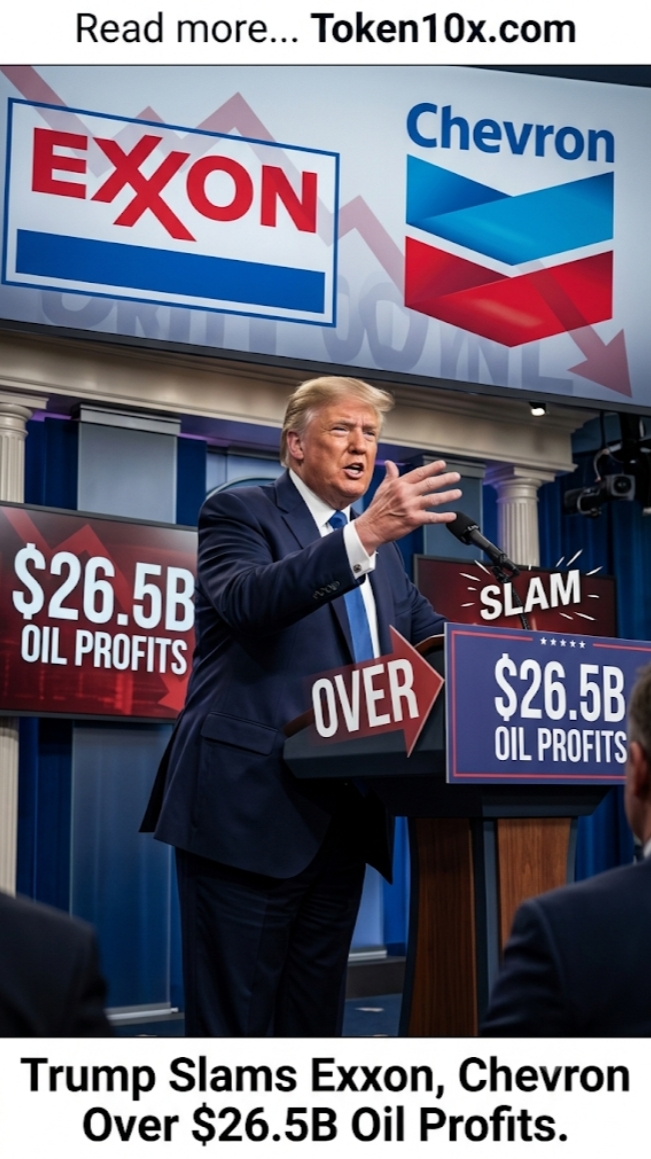
Donald Trump has publicly criticized Exxon and Chevron for reporting combined oil profits of $26.5 billion. The remarks target the energy giants amid ongoing debates over industry earnings and consumer costs.
This criticism reflects broader political tensions surrounding oil company profitability and energy policy.
The Drivers of This Criticism
Trump pointed to the large quarterly or annual profits as evidence of excessive gains during periods of elevated energy prices. The comments come as oil majors post strong results driven by production levels, market prices, and operational efficiencies.
For perspective, $26.5 billion in combined profits represents a significant figure that often draws public and political scrutiny, particularly when gasoline and fuel prices remain elevated for consumers.
It is important to note the fundamental difference: corporate profits reflect operational performance and market conditions, while political criticism focuses on fairness, pricing, and broader economic impacts.
Impact and Broader Context
Exxon and Chevron continue navigating volatile energy markets while facing pressure from both political figures and investors. The public rebuke may influence investor sentiment and policy discussions around the energy sector.
This episode sparks important discussions about oil industry profits, energy affordability, and the role of major producers in the economy. Supporters of the criticism argue for greater accountability and potential policy responses. Critics of the remarks emphasize that profits fund investment, jobs, and energy security.
Analysts observe that winner-take-most dynamics in the energy sector often lead to concentrated earnings for large integrated producers. Political commentary can amplify market and regulatory attention.
As energy prices and corporate results evolve, Trump’s comments will remain part of the broader conversation on industry performance. Future earnings and policy developments will shape ongoing scrutiny.
This analysis is based on public statements and industry trends for accuracy and reliability. Profit figures and market conditions remain subject to ongoing reporting.