

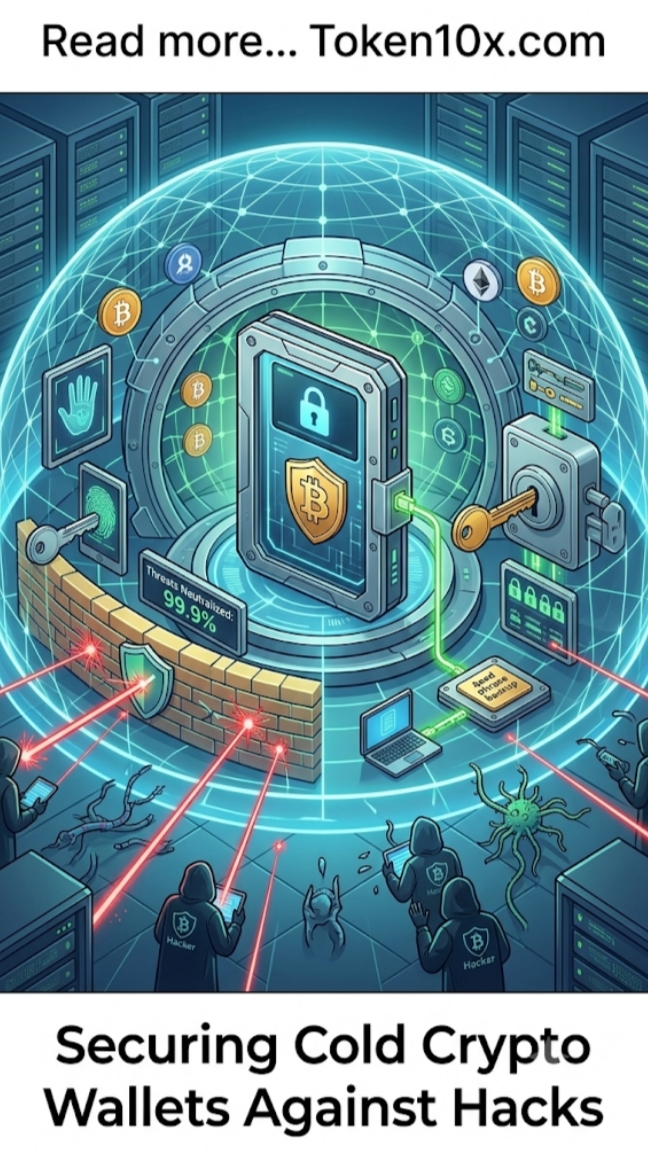
Cold wallets keep private keys offline, largely eliminating remote internet-based attacks that target hot wallets and exchanges. Yet they remain exposed to supply-chain tampering, physical theft, seed-phrase compromise, phishing, and operational errors.
These offline devices form the backbone of long-term crypto storage for individuals and institutions. Proper setup and ongoing discipline are essential because a single mistake can lead to irreversible loss.
The Drivers of This Vulnerability Landscape
Cold-wallet risks stem mainly from human and physical factors rather than pure software exploits. Supply-chain attacks involve tampered devices sold through unofficial channels that arrive with pre-generated seeds or malicious hardware. Seed phrases are frequently compromised through phishing sites, malware that alters displayed addresses, photos stored on phones, or careless digital backups. Physical theft or coercion can target the device or its metal/paper backups, while outdated firmware and failure to verify transactions on the device screen open additional doors. For perspective, remote malware is largely neutralized by true offline storage, yet physical and social-engineering vectors continue to account for many real-world losses.
It is important to note the fundamental difference between cold and hot storage: the former removes the always-on internet attack surface but shifts the burden onto physical security, verified provenance, and disciplined key handling. To secure a cold wallet effectively, purchase exclusively from the manufacturer’s official website or authorized retailers and carefully inspect packaging, holographic seals, and the device for any signs of tampering upon arrival. Generate the seed phrase only on the device itself during initial setup and never accept a pre-printed or pre-loaded recovery phrase. Record the seed on durable metal plates rather than paper, store at least two copies in separate secure physical locations, and never photograph, type, or save it digitally in any form. Set a long random PIN, enable the optional BIP-39 passphrase (25th word) for an extra hidden wallet layer, and always verify the full recipient address and transaction amount on the hardware wallet’s own screen before confirming. Keep the device firmware updated solely through official software, test a full recovery on a spare device before transferring significant funds, and for larger holdings use a multisignature configuration that requires multiple independent keys. Maintain strict physical control of both the wallet and its backups at all times.
Impact and Broader Context
Successful compromises of cold wallets result in permanent loss of funds with no recovery path, eroding user confidence and occasionally prompting shifts toward multisignature or institutional custody solutions. Larger holders face elevated risks of targeted physical attacks once ownership becomes known through data breaches at manufacturers or shipping partners.
This situation sparks important discussions about the limits of self-custody versus the convenience of third-party services. Supporters of strict cold-wallet practices emphasize that verified hardware, metal seed backups stored in separate locations, and multisig setups provide the highest practical security for most users. Critics argue that the operational complexity increases the chance of user error and that air-gapped or multi-party computation systems may offer better trade-offs for high-value holdings. Analysts observe that the majority of incidents still trace back to avoidable mistakes in purchase, setup, or seed handling rather than fundamental flaws in the cold-storage concept itself.
Looking ahead, continued improvements in open-source firmware, dual secure elements, and user education should further harden these tools. This analysis is based on manufacturer guidance and security research from established sources for accuracy and reliability. Specific threats and recommended practices remain subject to ongoing developments in both attack techniques and hardware capabilities.