

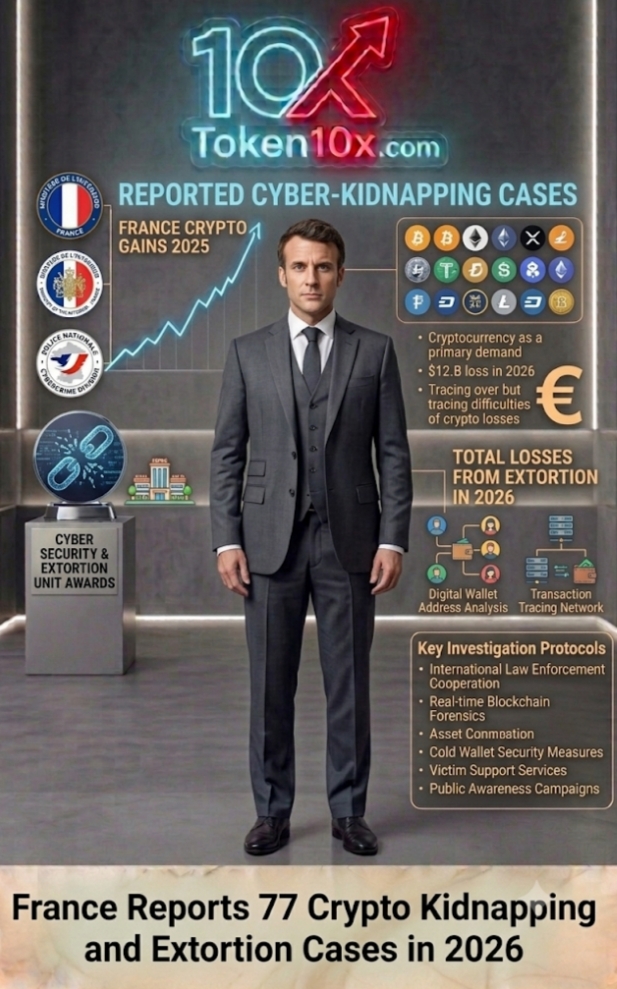
French authorities have recorded 77 cases of cryptocurrency-related kidnappings and extortion in 2026 so far, highlighting the growing threat of physical violence tied to digital asset holdings. The surge in incidents has prompted increased warnings from law enforcement and calls for stronger security measures among crypto investors and exchanges operating in the country.
These crimes typically involve perpetrators targeting individuals perceived to hold significant cryptocurrency wealth, using threats, abduction, or coercion to force victims to transfer assets. Paris and other major urban centers have seen the majority of reported cases, though incidents have occurred across the country.
Nature of the Crimes and Law Enforcement Response
Many cases involve home invasions, family targeting, or social engineering tactics where criminals gather information from social media or public records to identify high-value targets. Once abducted or threatened, victims are often forced to send Bitcoin, Ethereum, or stablecoins to attacker-controlled wallets, making tracing and recovery challenging due to the pseudonymous nature of blockchain transactions.
French police and specialized cybercrime units have ramped up investigations, collaborating with blockchain analytics firms to follow illicit fund flows. Authorities have made several arrests, but the borderless character of cryptocurrency complicates international cooperation and asset seizure.
Broader Context and Risk Factors
The rise in crypto-related violence coincides with increased mainstream adoption and higher asset prices, which have elevated the perceived wealth of crypto holders. France has emerged as a significant European hub for digital assets, with growing institutional and retail participation, but this visibility has also attracted criminal elements.
Experts note that lax personal security practices — such as sharing wallet addresses publicly or displaying luxury lifestyles linked to crypto gains — can heighten risks. Law enforcement recommends using privacy tools, avoiding public disclosure of holdings, and implementing multi-signature wallets with trusted parties.
Implications for Investors and the Industry
The statistics serve as a stark reminder of the physical risks associated with holding valuable digital assets. Industry groups are urging users to adopt better operational security (OpSec) practices, including hardware wallets, geographic separation of seed phrases, and professional security consultations.
For regulators and platforms, the trend may accelerate discussions around mandatory risk disclosures, enhanced KYC for large transactions, and potential travel rule expansions to improve traceability without compromising privacy.
French authorities continue to investigate the 77 cases actively, with some leading to successful recoveries and prosecutions. The government has signaled plans to bolster resources for financial crime units dealing with crypto-related offenses.
This development underscores the dual nature of cryptocurrency’s growth: greater financial opportunity accompanied by new forms of criminal exploitation. Investors are advised to remain vigilant, prioritize security, and report suspicious activity promptly to help curb this emerging threat vector in 2026.