

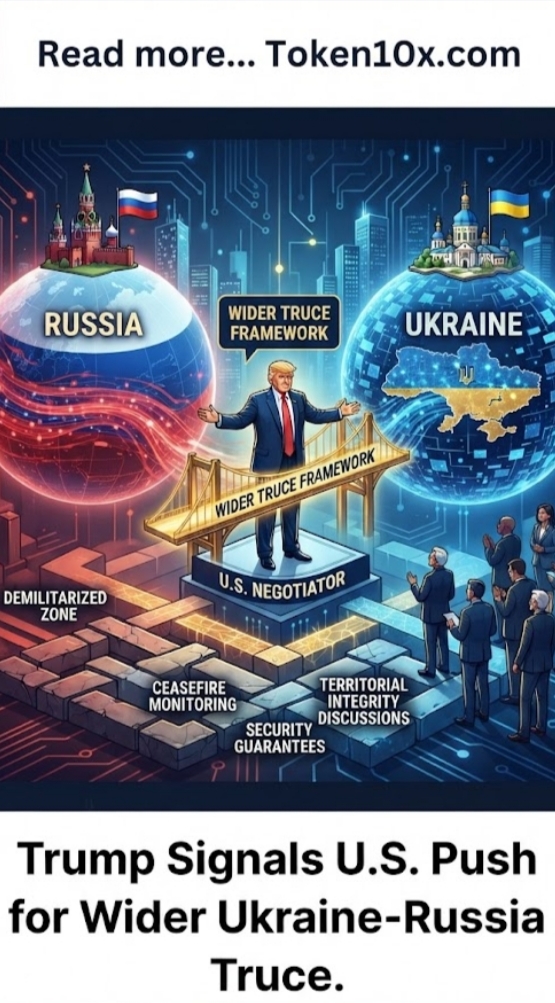
U.S. President Donald Trump has indicated that Washington is working to expand a limited humanitarian truce between Ukraine and Russia into a broader arrangement. In recent comments, Trump described a prior localized ceasefire—used to evacuate civilians from the occupied town of Oleshky—as a successful pilot that saved lives, and said efforts are underway for a larger version of the operation.
The remarks come amid intensified diplomatic activity, including Trump’s meeting with Russian President Vladimir Putin in China and ongoing talks led by U.S. envoys. Separate reporting indicates the administration is also pressing for a wider peace agreement by early January 2027, before Democrats assume control of Congress following the midterm elections.
The Drivers of the Current Situation
The main issue is the U.S. effort to build on a recent humanitarian pause and accelerate negotiations toward a more comprehensive cessation of hostilities or settlement. The Oleshky operation, mediated in part through First Lady Melania Trump, demonstrated that limited truces for civilian evacuations and aid delivery are feasible.
Related factors shaped the push. Political timelines in Washington, with Democrats expected to take congressional majorities, have created a sense of urgency on the U.S. side. Trump has publicly cited productive discussions with Putin and expressed optimism about reaching an agreement. Only the confirmed statements about expanding the humanitarian model, the recent high-level meetings, the reported January target for a broader deal, and the context of the midterm results are verified. Ongoing battlefield dynamics and differing positions on security guarantees and territory form the wider backdrop.
Continued monitoring requires observation of whether additional localized truces materialize, the substance of envoy-level talks, and any formal proposals exchanged between the parties. Limited public detail on the exact scope of a “wider” arrangement forms a narrower path for assessing progress. Ukrainian, Russian, European, and U.S. officials remain the primary parties tracking residual effects. The situation is an attempt to convert a successful limited pause into momentum for larger diplomatic gains.
Impact and Broader Context
Questions about the feasibility and terms of any expanded truce keep growing. A successful scaling of humanitarian pauses could reduce civilian harm and create space for further talks, while a rushed broader deal risks raising concerns in Kyiv about the balance of concessions. It also elevates attention on the role of U.S. domestic politics in shaping the timeline and leverage available to the parties. Governments, diplomats, and analysts continue to assess the implications.
The issue drives debate on the path from localized humanitarian measures to a sustainable settlement. It raises questions about the durability of any truce without addressing core security and territorial issues, the limits of U.S. mediation under shifting congressional control, risks of mismatched expectations between the sides, effects on European support for Ukraine, and competition between short-term de-escalation and long-term strategic outcomes. Coverage notes that Trump has emphasized the need to reach a deal first before fully detailing security guarantees.
The recent signals forced renewed focus on the window for diplomacy before the new Congress is seated. The current effort shows how subsequent meetings, any additional localized pauses, or concrete proposals will determine the lasting effect.
New statements from the parties, progress reports from envoys, or formal negotiation outcomes will clarify the practical contribution of the U.S. push.
This analysis uses public statements and contemporaneous diplomatic reporting. The prospects for an expanded truce or broader agreement remain subject to the positions of Ukraine, Russia, and supporting governments.