

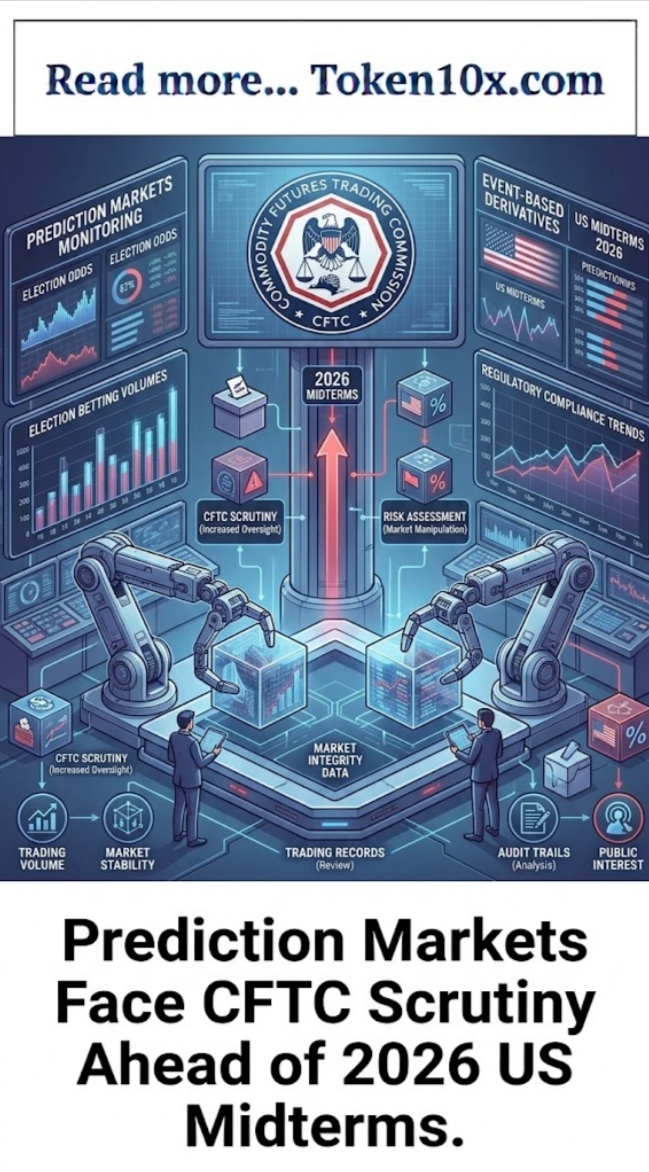
CFTC Chairman Michael Selig has stated that the agency is monitoring prediction markets for possible manipulation ahead of the 2026 U.S. midterm elections. In an interview reported on 23 October 2026, Selig confirmed the Commission is watching for signs of wash trading, fraud or other misconduct in election-related contracts, without announcing any new formal midterm-specific enforcement action at that time.
Combined open interest on Kalshi and Polymarket for midterm contracts stood at approximately $250 million as of 18 October, according to Dune Analytics data, with Kalshi holding about $210 million and Polymarket $40 million. Earlier CFTC settlements, including actions against individuals such as Gabriel Perez and George Santos, imposed financial sanctions and multi-year trading bans. September staff guidance also addressed contracts linked to named individuals’ words or actions, requiring additional safeguards against manipulation.
The Drivers of the Current Situation
The main issue is the CFTC’s heightened surveillance of prediction markets as open interest in 2026 midterm contracts has grown into the hundreds of millions of dollars. Selig’s comments underscore ongoing monitoring for manipulation risks on platforms that list event contracts on election outcomes, race results and related political events.
Related factors frame the scrutiny. Platforms have recorded substantial notional and cash trading volume on midterm markets over the cycle. Recent enforcement settlements and staff advisories on “mention markets” illustrate the agency’s focus on integrity. Only Selig’s monitoring statement, the approximate $250 million combined open-interest figure as of mid-October, the breakdown between Kalshi and Polymarket, the existence of prior settlements, and the September guidance are established in contemporaneous reporting and data sources. Broader jurisdictional debates over event contracts as swaps provide additional context.
Continued monitoring requires observation of any formal investigations, further enforcement actions, or changes in open interest and trading volume as Election Day approaches. Limited immediate detail on specific open cases forms a narrower path for assessing near-term regulatory impact. The CFTC continues surveillance while platforms operate under existing rules. The situation is prediction markets facing CFTC scrutiny ahead of the 2026 US midterms.
Impact and Broader Context
Questions about prediction markets facing CFTC scrutiny ahead of the 2026 US midterms keep growing. The monitoring creates uncertainty about potential restrictions or enforcement timing as volumes and open interest rise. It also elevates attention on the integrity of event contracts that influence public and political perceptions of race odds. Platforms, traders, candidates and state regulators continue to assess the implications.
The issue drives debate on the balance between market innovation and manipulation safeguards in election-related contracts. It raises questions about the durability of self-certified listings, the limits of exchange surveillance, risks of insider activity or coordinated trading, effects on near-term liquidity, and competition between federal derivatives oversight and state gambling authority. The CFTC stresses readiness to investigate misconduct. Coverage notes the scale of existing midterm positions and recent guidance.
The late-October comments forced renewed focus on regulatory oversight of political prediction markets. The current review shows how subsequent enforcement actions, open-interest trends, or further rulemakings will determine the lasting effect.
New CFTC statements, platform data updates or court developments will clarify the contribution of this scrutiny to market integrity ahead of the midterms.
This analysis uses CFTC Chairman statements as reported, Dune Analytics open-interest figures and contemporaneous coverage. Surveillance outcomes, trading volumes and regulatory actions remain subject to ongoing monitoring and market conditions.