

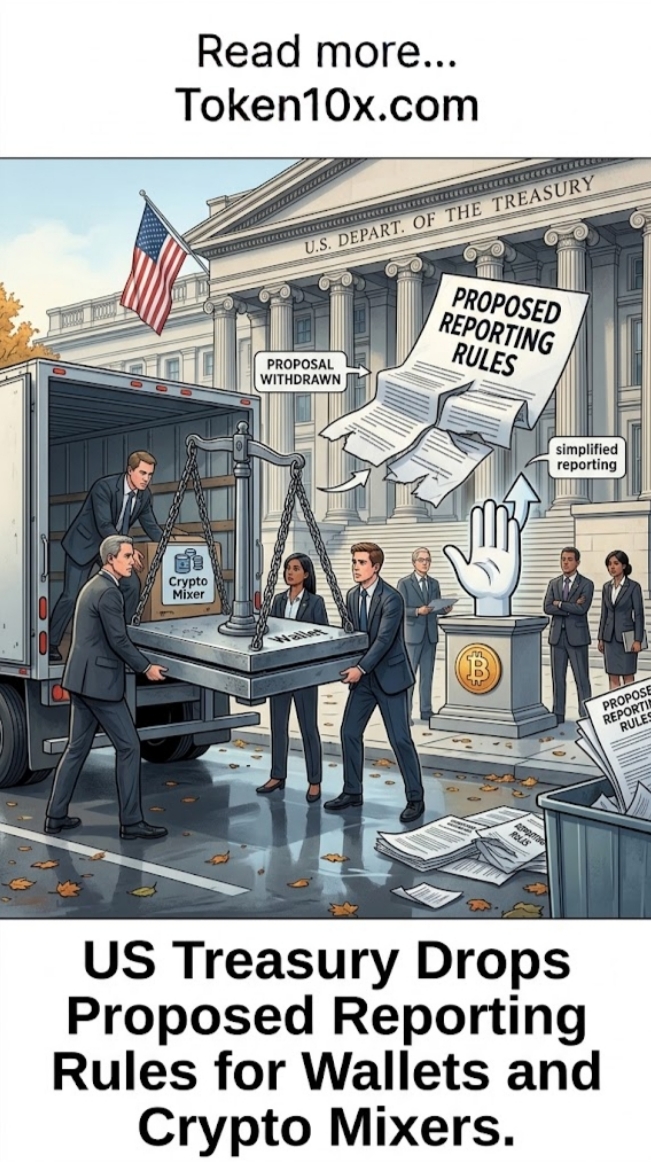
The U.S. Treasury Department’s Financial Crimes Enforcement Network has withdrawn two long-standing proposed rules targeting cryptocurrency activity. As of early October 2026, FinCEN formally dropped the 2020 proposal on transactions involving unhosted wallets and the 2023 proposal designating international crypto mixing as a primary money laundering concern. Neither rule had ever taken effect. The agency stated it will take no further action on the notices.
Regulated institutions continue operating under existing Bank Secrecy Act requirements. They have restricted any new compliance obligations tied to the withdrawn proposals. Self-custody and mixing-related activity remain subject to broader AML frameworks. FinCEN relies partly on current reporting standards while routing policy toward fit-for-purpose digital-asset rules. This highlights the difference between the previously proposed expanded surveillance measures and the status quo that now persists.
The Drivers of the Current Situation
The main issue is the formal withdrawal of the two proposed rules after years of inactivity. The 2020 unhosted-wallet proposal would have required banks and money services businesses to collect records on certain transactions above $3,000 and file reports for those exceeding $10,000 involving self-custodial wallets. The 2023 mixer proposal sought to apply special measures to international convertible virtual currency mixing. No final rules were ever issued.
FinCEN has limited its action to closing the open dockets. Some industry groups had long opposed both measures on privacy and practicality grounds. The agency pointed to concerns that the mixer definition could chill legitimate activity and create heavy burdens, alongside alignment with a July 2025 White House digital-asset report supporting private transactions on public blockchains. Existing BSA obligations for financial institutions remain unchanged. Only the specific proposed requirements are removed. Broader authority to issue similar rules in the future is retained.
Continued compliance requires adherence to current standards rather than the withdrawn proposals. Limited new reporting under the status quo forms a narrower path. Policymakers and industry participants are actively assessing the implications. The situation is a deregulatory development tied to long-pending rulemakings.
Impact and Broader Context
Questions about the US Treasury dropping proposed reporting rules for wallets and crypto mixers keep growing. The withdrawals create uncertainty around the durability of the current lighter approach. They also affect compliance planning for banks, exchanges, and users of self-custody tools. Privacy advocates, industry associations, and regulators continue to monitor potential future actions.
The issue drives debate on cryptocurrency surveillance and privacy. It raises questions about how effectively existing tools address illicit finance, the limits of designating entire categories of activity as primary concerns, risks of over-broad definitions, effects on innovation and self-custody adoption, and competition between privacy-preserving practices and AML priorities. Stakeholders stress that the moves do not eliminate all reporting or sanctions authorities. FinCEN and supporting notices say the withdrawals advance efforts to ensure digital-asset regulations are fit for purpose while preserving core AML frameworks.
The October filings forced a formal end to the multi-year proposals. The current regulatory review shows how post-withdrawal policy will treat self-custody and mixing activity.
New guidance, alternative proposals, or enforcement trends will clarify the longer-term treatment of wallets and mixers under U.S. rules.
This analysis uses FinCEN withdrawal notices, Federal Register filings, and related official statements. Regulatory status and future rulemaking remain subject to ongoing policy developments and possible new proposals.