

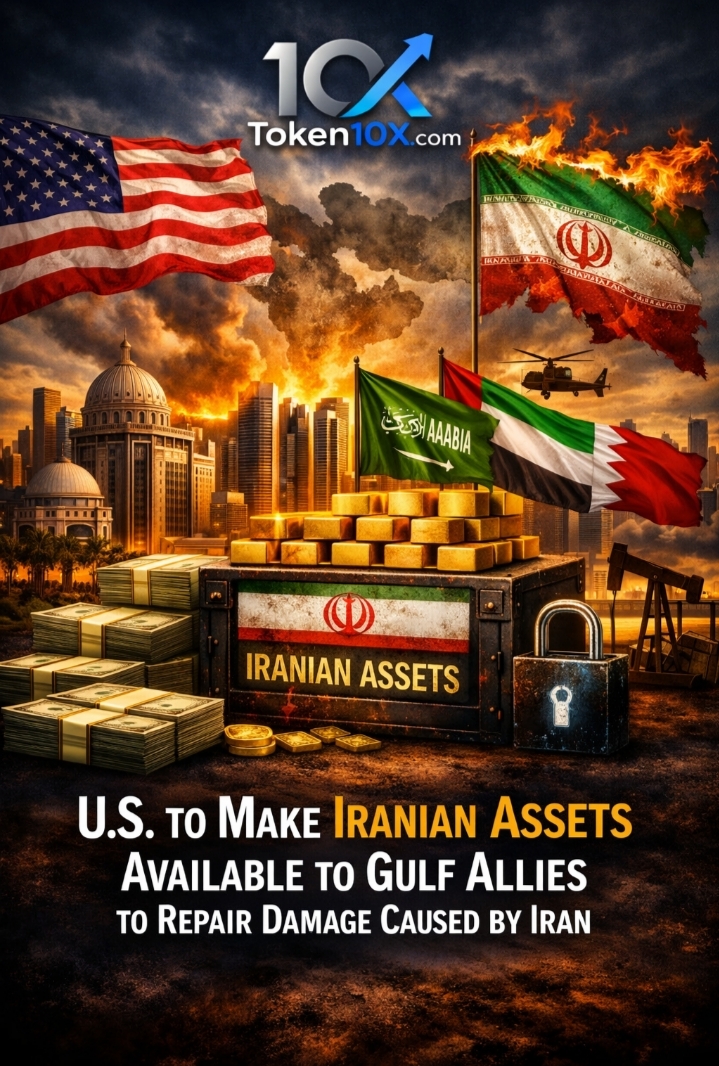
In a significant geopolitical move, the United States plans to make Iranian assets available to Gulf allies to repair damage caused by Iran. The announcement, reported by Reuters in late May 2026, reflects escalating efforts to support regional partners affected by Iranian actions and proxy conflicts.
According to the report, the US intends to unlock frozen or sanctioned Iranian assets and direct them toward Gulf nations, particularly those that have suffered infrastructure damage, economic losses, or security threats linked to Iranian-backed groups. This step aims to help allies rebuild and strengthen deterrence in the region.
Several factors appear to have influenced this decision. Ongoing tensions with Iran, including recent strikes and proxy attacks on Gulf infrastructure, have heightened security concerns. The US seeks to bolster its allies’ resilience, compensate for damages, and maintain strong partnerships in the strategically vital Gulf region without direct military escalation.
The news has sparked lively debates across political, diplomatic, and financial communities about the US decision on Iranian assets. Some view it as a strong and justified signal of support for Gulf allies facing Iranian aggression. Others regard it as a concerning move that could complicate future diplomatic negotiations with Iran and raise questions about asset seizure precedents.
This development does not indicate a complete breakdown in all diplomatic channels with Iran. The US continues to balance pressure with selective engagement on issues like nuclear proliferation and regional stability. Still, it reignites conversations around sanctions enforcement, asset repurposing, Gulf security, and the broader strategy for containing Iranian influence in the Middle East.
For more geopolitical analysis and latest international insights, visit Token10x Blog https://token10x.blog and explore Token10x https://token10x.com.
As regional tensions persist, this development provides nuance: while the US moves to make Iranian assets available to Gulf allies for repairing damage caused by Iran, the policy reflects both immediate support for partners and long-term strategic calculations. Policymakers and observers should perform their own research and consider multiple perspectives, recognizing that such measures can influence regional dynamics and future negotiations.
The coming weeks will reveal more details on the implementation of this plan and how Iran and other international actors respond to the move.