

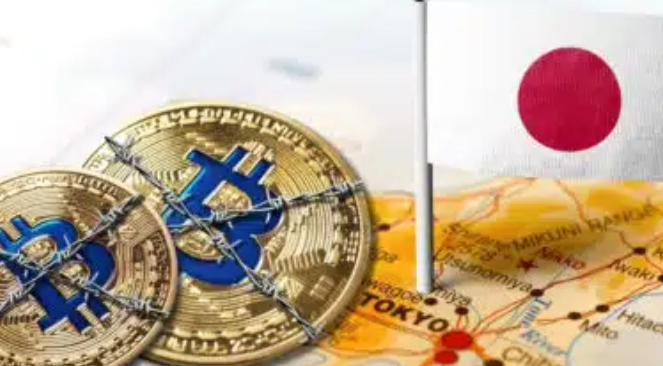
In a seismic shift for Asia’s digital finance landscape, Japan’s Financial Services Agency (FSA) has unveiled plans to mandate cryptocurrency exchanges to establish dedicated liability reserves. Announced on November 24, 2025, this regulation arrives amid a crypto resurgence, where Bitcoin’s price dances near $90,000 and institutional adoption surges. Drawing from the ashes of past debacles like the 2018 Coincheck hack—where $530 million in NEM vanished— the FSA aims to erect an ironclad barrier against future breaches, ensuring exchanges shoulder the financial brunt rather than hapless users.
At its core, the mandate requires platforms to sequester funds as a buffer against catastrophes: cyberattacks, operational glitches, or even rogue insider threats. Modeled after securities firms’ compensation pots—ranging from 2 billion to 40 billion yen—these reserves will scale with an exchange’s trading volume and incident history. No longer will cold wallet mandates suffice as the sole shield; exchanges must proactively earmark capital for restitution, a proactive pivot that aligns virtual assets with the rigorous standards of traditional finance. The FSA’s advisory Financial System Council will rubber-stamp this in a report post their November 27 meeting, with legislative amendments slated for parliamentary submission in 2026.
This isn’t mere paperwork—it’s a cultural recalibration. Japan, home to 12 million crypto accounts and a trailblazer in regulatory clarity since its 2017 Payment Services Act, has long treated digital currencies as speculative investments over everyday tenders. Yet, as hacks like Ronin Network’s $625 million drain in 2022 echo globally, Tokyo’s patience wanes. By shifting oversight toward the Financial Instruments and Exchange Act, the FSA paves a highway for crypto ETFs, investment trusts, and tax parity with stocks. Imagine: banks greenlit to custody Bitcoin, stablecoins like JPYC—Japan’s yen-pegged darling—flourishing under stricter scrutiny.
For exchanges, the calculus is double-edged. Giants like bitFlyer and Coincheck, already FSA-registered, can leverage their war chests to comply seamlessly, potentially outpacing nimbler rivals. Smaller outfits? They might scramble, hiking fees or consolidating to meet the reserve thresholds, which could thin the herd but purify the market. Investors stand to gain the most: a safety net that could slash reimbursement delays from months to days, bolstering confidence in a sector scarred by FTX’s 2022 implosion.
Globally, this ripples far. As the U.S. wrestles with SEC silos and Europe’s MiCA framework gels, Japan’s blueprint could inspire harmonized standards, curbing cross-border chaos. Critics whisper of overreach—stifling innovation in a nation eyeing Web3 as its economic elixir—but proponents counter that true maturity demands accountability. With crypto’s market cap eclipsing $3 trillion, Tokyo’s mandate isn’t just policy; it’s a manifesto for sustainable sovereignty in the blockchain age. As 2026 dawns, Japan’s exchanges won’t just trade tokens—they’ll safeguard dreams. Will this model export, fortifying the wild west of global crypto? Only time, and perhaps a few more hacks, will tell.