

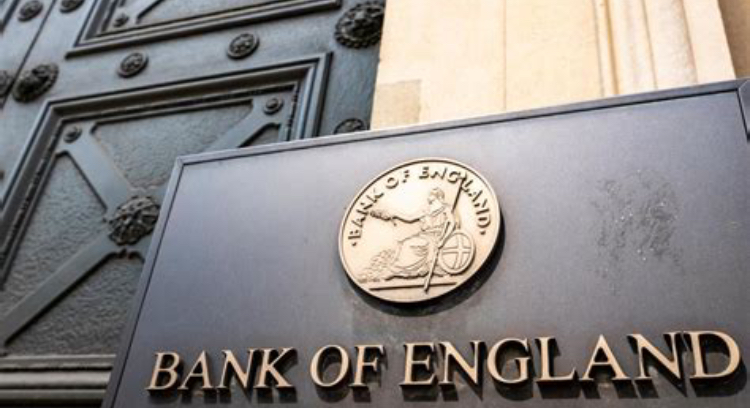
In a bold move, the Bank of England (BoE) has slashed its key interest rate to 4%, marking a significant shift in monetary policy as it navigates a complex economic landscape. This decision, announced on August 7, 2025, reflects the BoE’s response to easing inflationary pressures and signals an effort to stimulate growth amid global uncertainties.
The rate cut, the first since early 2024, comes after months of speculation and intense scrutiny of economic indicators. Inflation in the UK has shown signs of cooling, with recent data indicating consumer price increases stabilizing below the BoE’s 2% target. This has given policymakers room to pivot from the aggressive rate hikes of the past two years, which were implemented to tame soaring prices driven by energy shocks and supply chain disruptions. However, the decision wasn’t unanimous, with some Monetary Policy Committee (MPC) members cautioning against premature easing, citing potential risks from persistent wage growth and geopolitical tensions.
For UK households, this cut is a double-edged sword. Borrowers, particularly those with variable-rate mortgages, may breathe a sigh of relief as borrowing costs ease. However, savers could see returns on deposits shrink further, adding pressure to those reliant on interest income. Businesses, meanwhile, may find the lower rates a catalyst for investment, potentially spurring job creation and economic activity in sectors like construction and retail.
Globally, the BoE’s move aligns with similar actions by other central banks, including the U.S. Federal Reserve, which recently hinted at its own easing cycle. Yet, the UK faces unique challenges, including trade uncertainties post-Brexit and energy market volatility. Analysts warn that while the rate cut may boost confidence, it’s not a cure-all for structural issues like low productivity and regional disparities.
Market reactions were swift, with the FTSE 100 climbing 1.5% and the pound weakening against major currencies. Investors are now eyeing the BoE’s forward guidance for clues on further cuts, with some predicting rates could dip below 3.5% by mid-2026 if inflation remains subdued.
This decision underscores the delicate balancing act central banks face in a post-pandemic world. As the UK charts its economic path, all eyes are on whether this rate cut will ignite growth or risk reigniting inflationary flames. The BoE’s next moves will be critical.