

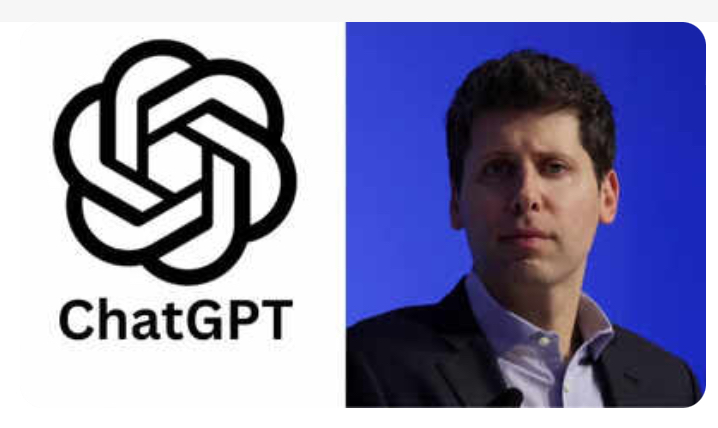
In a stunning revelation that has sent shockwaves through the tech world, Sam Altman, the visionary behind OpenAI, recently expressed a mix of awe and apprehension about the capabilities of ChatGPT-5. In a candid moment captured in an image circulating online, Altman is quoted saying, “What have we done?”—followed by a humbling admission, “I feel useless.” His comparison of ChatGPT-5’s power to the Manhattan Project, the secretive World War II initiative that developed the atomic bomb, has sparked intense debate. Is this the dawn of a new era in artificial intelligence, or a warning sign of technology outpacing human control? Let’s dive into this provocative statement and what it means for the future.
The Manhattan Project was a monumental effort that harnessed unprecedented scientific power, ultimately changing the course of history. Altman’s analogy suggests that ChatGPT-5, the latest iteration of OpenAI’s groundbreaking language model, possesses a transformative—and potentially disruptive—potential on a similar scale. This isn’t just about smarter chatbots; it’s about a leap in AI that could redefine industries, economies, and even society itself. Altman’s “useless” remark hints at the overwhelming pace of innovation, where even the minds behind these advancements might struggle to keep up.
So, what makes ChatGPT-5 so formidable? While specific details remain under wraps, the model is rumored to boast enhanced reasoning, contextual understanding, and problem-solving abilities far beyond its predecessors. Imagine an AI that doesn’t just answer questions but anticipates needs, collaborates on complex tasks, and learns at an exponential rate. This could revolutionize fields like healthcare, education, and research, but it also raises ethical questions. Could such power be misused? Altman’s reaction suggests a moment of self-reflection, perhaps a call for humanity to pause and consider the implications.
The comparison to the Manhattan Project also evokes a sense of urgency. That project operated in secrecy, driven by the fear of adversaries gaining the upper hand. Today, the AI race—between companies like OpenAI, xAI, and others—mirrors this competitive spirit. But unlike the 1940s, the stakes now involve not just nations but the global digital landscape. Altman’s words might be a plea for responsible development, urging the tech community to prioritize safety and ethics alongside innovation.
For the average person, this development is both exciting and daunting. ChatGPT-5 could become a personal assistant, a creative partner, or a tool for solving global challenges like climate change. Yet, it also prompts us to ask: Are we ready for AI with such potency? Altman’s vulnerability offers a humanizing perspective, reminding us that even the brightest minds grapple with the consequences of their creations.
To explore more about this groundbreaking technology and its implications, visit our website. We’ll keep you updated with the latest insights, expert opinions, and discussions on how AI is shaping our world. Join the conversation—because the future of ChatGPT-5 is not just Altman’s story; it’s ours too. www.Token10x.blog