

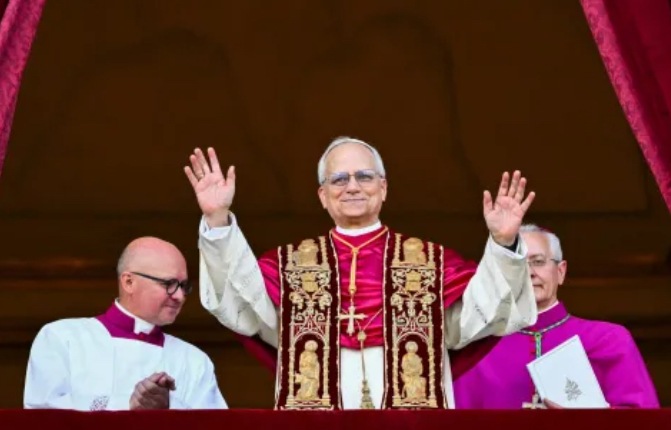
Pope Leo XIV Faces Potential Six-Figure Tax Bill on $33,000 Monthly Salary
In a surprising twist, Pope Leo XIV, the spiritual leader of over 1.3 billion Catholics worldwide, may be facing a substantial tax liability tied to his reported $33,000-a-month paycheck. This revelation has sparked widespread curiosity about the financial obligations of the papacy, Vatican finances, and how tax laws apply to one of the world’s most prominent religious figures. Let’s dive into the details of this unprecedented situation and explore its implications.
While the Vatican is known for its modest approach to material wealth, recent reports suggest that Pope Leo XIV receives a monthly stipend of $33,000 to cover personal expenses and duties as the head of the Catholic Church. Unlike typical salaries, this income is not derived from traditional employment but from Vatican funds, which are supported by donations, investments, and other revenue streams. However, the question arises: is this income subject to taxation, and if so, how much could the pontiff owe?
Taxation for religious leaders is a complex issue, particularly for someone in Pope Leo XIV’s unique position. The Vatican City State operates as a sovereign entity with its own legal and financial systems, separate from Italy and other nations. However, if the Pope’s income is deemed taxable under international or Italian tax laws—due to residency, financial activities, or other factors—he could face a significant tax bill.
Italian tax laws impose income tax rates ranging from 23% to 43% for high earners, and a $33,000 monthly salary (equating to $396,000 annually) could push Pope Leo XIV into the highest tax bracket.
Additional regional taxes and surcharges might further increase the liability, potentially resulting in a six-figure tax bill. The exact amount depends on exemptions, deductions, or special agreements between the Vatican and Italy, such as the Lateran Treaty of 1929, which governs their financial relations.
This situation highlights broader questions about the Vatican’s financial transparency. In recent years, the Holy See has faced scrutiny over its handling of funds, prompting reforms to align with international financial standards. Pope Leo XIV’s potential tax liability could accelerate these efforts, as stakeholders demand clarity on how papal income is managed and reported. If the Pope is required to file taxes, it could set a precedent for other Vatican officials, further integrating the city-state into global financial norms.
The news of a possible tax bill for Pope Leo XIV has elicited mixed reactions. Some view it as a step toward accountability, arguing that even religious leaders should contribute to public coffers. Others, however, see it as an overreach, given the Pope’s spiritual role and the Vatican’s sovereignty. Catholic communities worldwide are watching closely, as this issue could influence perceptions of the Church’s moral and financial integrity.
As discussions unfold, the Vatican’s legal and financial advisors are likely working to clarify Pope Leo XIV’s tax obligations. Whether he pays taxes or secures an exemption, the outcome will have lasting implications for the papacy’s relationship with secular authorities. For now, the world awaits further details on how this unique financial challenge will be resolved.