

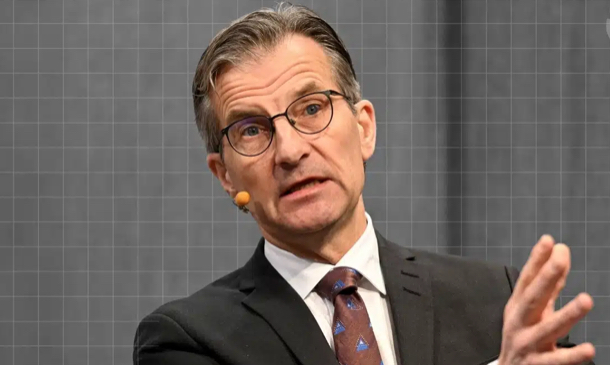
Global banking rules limiting exposure to cryptocurrencies need urgent revision, the Basel Committee’s Chair warned, according to a Financial Times report. Pablo Hernández de Cos, who leads the influential body, said the framework finalized in 2022 no longer suits the crypto market, which usually changes fast.
Speaking ahead of the committee’s annual meeting in Basel, de Cos highlighted that the explosive adoption of digital assets by institutions demands a careful reassessment. “We need to revisit these standards to ensure they balance prudence with the opportunities presented by crypto,” he said.
The Basel rules currently require banks to hold capital buffers up to 1,250% for unbacked crypto holdings, compared with just 100% for traditional equities, a measure meant to prevent another 2022-style collapse of firms like FTX and Three Arrows Capital.
De Cos, a former Governor of Spain’s central bank, said the rules have made banks stronger but might now be too strict. Stablecoins and tokenized assets are becoming more common in payments and settlements, but current rules haven’t fully caught up.
He suggested future updates could reduce capital requirements for “Group 1” assets, which act like regular money, and make custody rules clearer. He stressed that any changes should keep the financial system safe while not blocking innovation.
Rules under scrutiny
The Basel Committee’s 2021 framework came after years of debate and was set to take effect next year. Critics say the rules are too strict on digital assets, which could push activity into less-regulated areas. Banks like JPMorgan Chase have asked for changes, warning that high capital requirements make it harder to invest in crypto infrastructure.
A senior US bank executive said, “These rules are like putting a Ferrari in a parking lot — powerful potential, but locked away.” The committee operates under the Bank for International Settlements, which represents major central banks worldwide, and any review will incorporate feedback from global regulators.
Global regulatory context
The intervention comes as countries adopt divergent approaches. In the US, the President Donald Trump administration is taking a more relaxed approach, planning rules for stablecoins and making it easier for banks to work with crypto.
In contrast, the European Union’s MiCA rules set strict licensing and reserve requirements, and the UK is considering similar steps. These differences show that Basel must find a balance between encouraging innovation and keeping the financial system safe. The push for central bank digital currencies adds more complexity to how public and private crypto interact.
US oversight shifts
In Washington, Michael Selig, Trump’s pick to head the Commodity Futures Trading Commission (CFTC), answered Senate questions about how he would oversee digital assets.
Selig emphasized the need for clear guidelines and consumer protection, warning against regulation by enforcement. “This is a real opportunity to develop a framework that can allow software developers to thrive, for new exchanges to crop up that are going to protect investors,” he said.
Selig’s appointment follows the withdrawal of previous nominee Brian Quintenz and reflects ongoing industry scrutiny over conflicts of interest and regulatory strategy.
The Basel Committee’s review could lead to lower capital requirements for banks holding crypto. Experts warn that easing rules too soon might increase financial risks. As stablecoins and tokenized assets grow, regulators face the challenge of balancing innovation with system stability.