

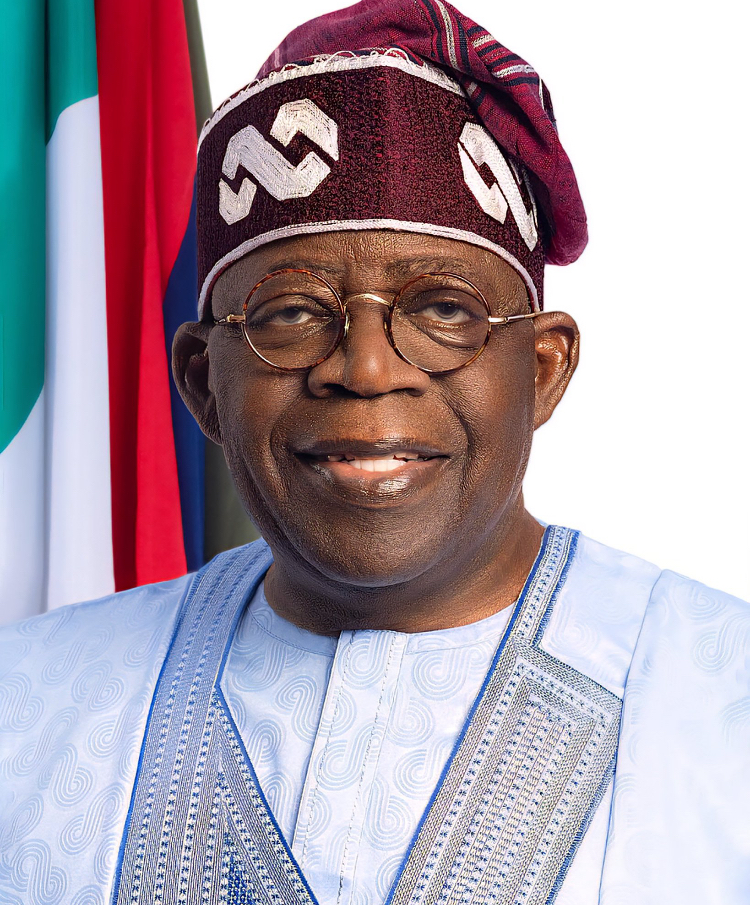
On September 10, 2025, President Bola Tinubu directed the Central Bank of Nigeria (CBN) and other financial regulators to intensify surveillance of cryptocurrency and digital payment transactions, citing concerns over the rapid shift of Nigerians to non-bank platforms like stablecoins and digital currencies. Speaking through Finance Minister Wale Edun at the 18th Annual Banking and Finance Conference in Abuja, Tinubu emphasized the need to track these transactions to address risks such as money laundering, economic volatility, and bypassing regulated systems, which could undermine Nigeria’s financial stability. He described digital tools, artificial intelligence, and open banking as “unavoidable realities” that Nigeria must harness for economic growth while ensuring robust oversight.
This directive comes as Nigeria, Africa’s largest economy, grapples with the explosive growth of cryptocurrency usage, with over 30 million Nigerians engaging in digital payments and crypto transactions, boosting financial inclusion but raising regulatory concerns. The CBN had previously banned banks from facilitating crypto transactions in 2021, a restriction lifted in December 2023, reflecting Tinubu’s earlier campaign promises to foster a crypto-friendly environment through blockchain integration in banking, identity management, and revenue collection.
Tinubu’s order aligns with global trends, as regulators in the U.S. and EU also tighten oversight of digital assets. Experts, like Dr. Aisha Bello from Lagos Business School, view this as a timely move to balance innovation with risk mitigation, given Nigeria’s crypto market exceeds $400 million in daily trades. The CBN is expected to implement enhanced surveillance and guidelines for stablecoin issuers, potentially positioning Nigeria as a fintech hub while addressing illicit activities in an increasingly cashless society.