

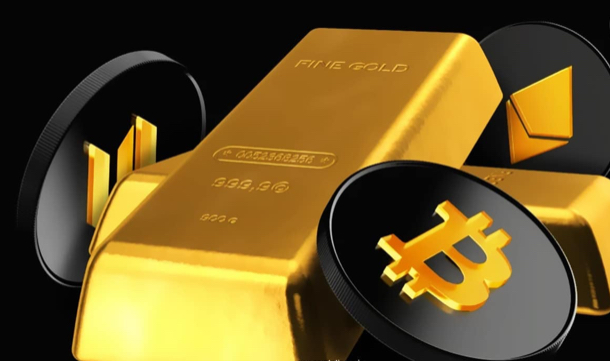
For millennia, precious metals like gold have symbolized wealth and stability, serving as a hedge against inflation and economic turmoil. Yet, traditional investments in these assets—purchasing physical bars or coins—often deter everyday investors due to high storage costs, limited liquidity, and barriers to fractional ownership. Enter tokenized gold: a blockchain-powered innovation that digitizes physical precious metals, converting them into tradable digital tokens. Each token represents a specific quantity of gold, silver, or platinum stored in secure vaults, backed 1:1 by the underlying asset. This fusion of ancient value with cutting-edge technology is revolutionizing the sector, making it more accessible, efficient, and appealing to a global audience.
At its core, tokenization leverages blockchain’s immutable ledger to ensure transparency and security. Physical metals are custodied in regulated vaults, then represented as tokens on platforms like Ethereum or specialized exchanges. Investors can buy fractions as small as one gram of gold, democratizing entry for retail participants who previously needed thousands to start. The gold tokenization market has already surged to a $1 billion capitalization, signaling rapid adoption. Unlike volatile cryptocurrencies, tokenized gold offers stability—its value tracks the spot price of physical metal—while providing the speed of digital trading. Transactions settle in minutes, not days, eliminating intermediaries and slashing fees by up to 90%.
Liquidity is another game-changer. Traditional gold markets suffer from slow redemptions and jurisdictional hurdles, but tokens enable 24/7 global trading on decentralized exchanges. This enhances portfolio diversification, allowing seamless integration with crypto or fiat assets. Major players like HSBC and the Perth Mint have launched tokenized products, with HSBC enabling institutional trades in 2024 and retail access in Hong Kong. In Asia, partnerships with the Shanghai Gold Exchange are fostering regulated growth, attracting volume amid blockchain-friendly policies.
Beyond gold, tokenization extends to silver and platinum, broadening the precious metals ecosystem. By 2030, the tokenized assets market could hit $16.1 trillion, with commodities like these comprising a key slice. This shift not only boosts demand—potentially elevating prices through wider participation—but also mitigates risks like theft or counterfeiting via blockchain’s traceability.
Ultimately, tokenized gold bridges traditional finance and Web3, transforming precious metals from static relics into dynamic, inclusive investments. As regulatory frameworks mature, expect even greater innovation, drawing in millennials and institutions alike. The allure of gold endures, but its digital form ensures it shines brighter in tomorrow’s economy.