

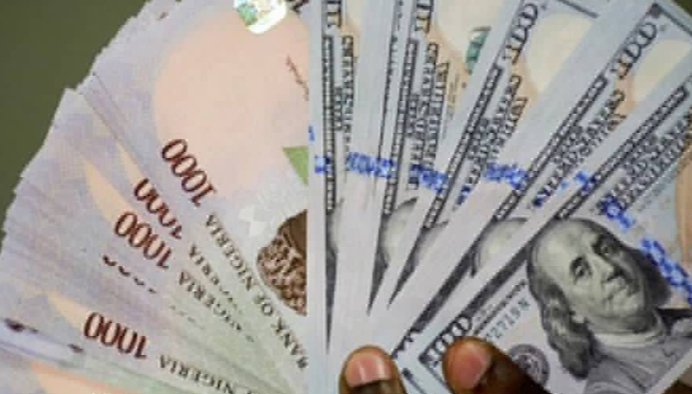
In a significant shift for Nigeria’s foreign exchange landscape, forex traders have reported that Chinese traders are increasingly accepting the Nigerian naira instead of U.S. dollars for transactions, attributing this to the success of the Nigeria-China currency swap agreement. Initially signed in April 2018 and renewed in December 2024 for 15 billion yuan ($2 billion), the deal aims to boost trade and investment by allowing direct transactions in naira and Chinese yuan, bypassing the dollar. This development has contributed to recent exchange rate stability, easing pressure on the naira amid persistent dollar shortages in Nigeria.
The currency swap enables Nigerian businesses importing from China to settle transactions in yuan, reducing reliance on scarce dollars. Forex traders note that peer-to-peer (P2P) currency exchanges also support naira stability by facilitating direct currency swaps without intermediaries like banks. However, the impact on everyday transactions remains limited. Many Nigerian traders and individuals still prefer dollars due to their global acceptance, and yuan liquidity in local markets, such as bureaux de change, is low. For instance, payments for international expenses like school fees or medical bills are rarely conducted in yuan, as the currency lacks widespread street-level availability.
Despite the swap’s potential, challenges persist. Imports from China account for only 20% of Nigeria’s total imports, limiting the agreement’s ability to fully address dollar demand. Additionally, past experiences, such as the naira’s struggles post-2016 swap discussions, highlight the need for consistent implementation and clear communication. Mixed messages from Nigerian officials in the past have created skepticism about the swap’s effectiveness.
On the black market, the yuan-to-naira exchange rate reflects growing activity, with rates reported at approximately ₦205-₦244.8 per yuan in 2025, though these vary due to the unregulated nature of the market. Traders advise caution, recommending reputable dealers to avoid scams. The renewed swap agreement, valid for three years, signals stronger financial cooperation between Nigeria and China, but its success hinges on increasing yuan accessibility and addressing Nigeria’s broader forex challenges. While the shift to naira and yuan transactions marks progress, the dollar’s dominance in global trade continues to limit the swap’s immediate impact on Nigeria’s economy.