

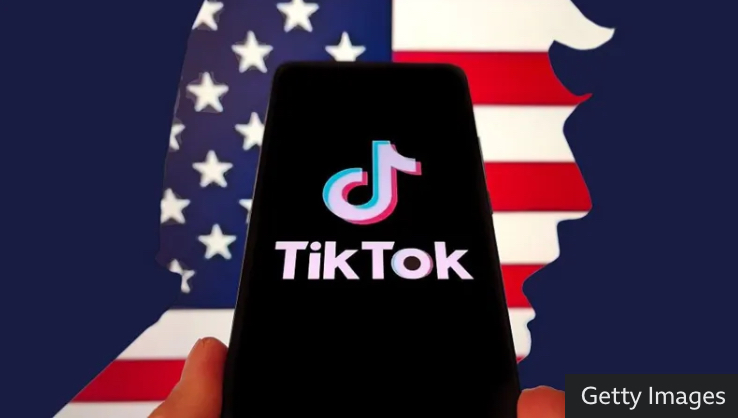
In a surprising diplomatic pivot, China has hailed a nascent U.S.-China agreement on TikTok’s future as a “win-win” outcome, framing it as a testament to cooperative resolve over confrontation. The framework, hammered out during high-level talks in Madrid last week, averts an imminent U.S. ban on the app and signals broader easing in bilateral tensions. As President Donald Trump prepares to finalize details with Xi Jinping via phone today, Beijing’s state media portrays the deal not as capitulation, but as strategic reciprocity that safeguards national interests while unlocking economic doors.
At its core, the pact addresses longstanding U.S. national security qualms by mandating the divestiture of TikTok’s American operations from its Chinese parent, ByteDance. Reports indicate ByteDance’s stake will shrink to under 20%, with U.S. investors—including tech heavyweights like Oracle and potential partners such as Walmart or Silver Lake—taking majority control. Crucially, China retains veto power over the transfer of proprietary tech, including the app’s vaunted recommendation algorithm, which Beijing classifies as export-controlled intellectual property. This ensures no “daylight robbery” of core innovations, as Chinese officials have long argued. A formal review process under Chinese law will scrutinize any licensing deals, preserving ByteDance’s technological edge and preventing forced tech dumps.
For China, the gains extend far beyond TikTok’s survival. The accord is bundled with concessions on trade barriers, potentially softening Trump’s tariff regime that has hammered Chinese exports—down 15% to the U.S. this year. Negotiator Li Chenggang emphasized “reducing investment hurdles and fostering economic ties,” hinting at relaxed restrictions on Chinese firms in sectors like EVs and semiconductors. Analysts see this as a bargaining chip: By yielding symbolically on TikTok—an app Trump credits for his youth vote surge—Beijing buys time and goodwill ahead of an October summit in South Korea. There, leaders could tackle thornier issues like fentanyl flows, Ukraine, and reciprocal market access.
Economically, the deal sustains TikTok’s $30 billion U.S. revenue stream, insulating ByteDance from a catastrophic ban that could ripple through China’s $39 billion global app ecosystem. It also burnishes Xi’s image as a pragmatic dealmaker, countering narratives of U.S. “suppression.” Yet skeptics, including former U.S. security officials, warn Beijing’s algorithm leverage could embed backdoors, blurring the line between divestiture and influence.
As deadlines loom—Trump extended the ban to December 16—the pact underscores a fragile détente. For China, it’s less about the app than the optics: a “rare breakthrough” that positions Beijing as an equal, extracting tangible trade wins from American pressure. With global eyes on the Trump-Xi call, this could herald a TikTok lifeline—or just another chapter in superpower chess.