

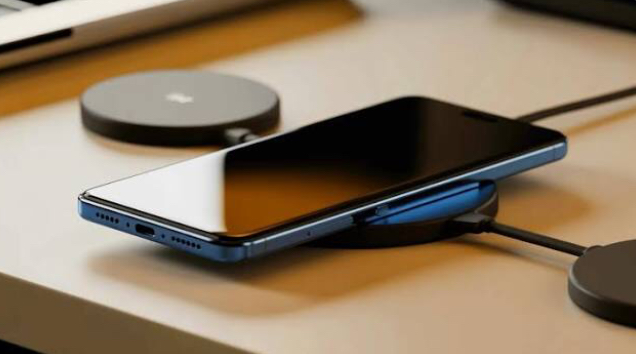
Apple has once again redefined the smartphone landscape with the unveiling of the iPhone 17 Air, a device that eliminates the USB-C port entirely, marking the end of wired charging for the iPhone. Announced by Apple’s keynote, this sleek, ultra-thin device introduces a fully wireless ecosystem, relying solely on MagSafe for charging and data transfer. With the bold tagline “Embrace the Wireless Future,” Apple is pushing consumers toward a cable-free experience, signaling a seismic shift in mobile technology.
The iPhone 17 Air is Apple’s slimmest iPhone yet, measuring just 6.1mm thick. By removing the USB-C port, which Apple adopted only recently to comply with EU regulations, the company has created a device with a seamless, uninterrupted design. This move aligns with Apple’s philosophy of simplifying user experiences while pushing technological boundaries. During the keynote, Tim Cook declared, “Cables are a thing of the past. The iPhone 17 Air is our boldest step toward a truly wireless future.” The device introduces MagSafe 2.0, an enhanced version of Apple’s magnetic charging system, offering faster charging speeds of up to 30W and improved alignment for effortless attachment to chargers and accessories.
The decision to abandon USB-C is driven by several factors. A port-free design allows for a thinner, more elegant device, appealing to consumers who prioritize aesthetics. It also enhances durability, as ports are vulnerable to dust, water, and debris. The iPhone 17 Air boasts an IP69 rating, making it exceptionally resistant to environmental damage. Apple’s ecosystem is increasingly wireless, with AirPods and Apple Watch already relying on wireless technologies like AirDrop and MagSafe. By eliminating cables, Apple encourages users to fully integrate into this ecosystem, using MagSafe chargers and docks for all their needs. Additionally, Apple emphasizes sustainability, claiming that removing cables reduces electronic waste, with recyclable MagSafe chargers furthering this goal.
At the heart of the iPhone 17 Air’s wireless capabilities is MagSafe 2.0, which uses advanced sensors for “Smart Alignment” to ensure precise placement on chargers, minimizing energy loss. For data transfer, Apple has upgraded AirDrop with Wi-Fi 7 and Ultra-Wideband technology, enabling rapid file sharing and device syncing without cables. Users can back up their iPhone to a Mac or transfer files to other Apple devices seamlessly. For those needing wired compatibility, Apple offers a MagSafe-to-USB-C adapter, though the company clearly prioritizes wireless solutions as the future.
The transition to a fully wireless iPhone has sparked varied reactions. Posts on X reveal excitement from some users, with one stating, “No more frayed cables! The iPhone 17 Air is a game-changer.” Others express concerns about practicality, noting that wireless charging isn’t as ubiquitous as USB-C. Apple is addressing this by partnering with car manufacturers and public charging stations to expand MagSafe infrastructure. However, critics point out that wireless charging is less energy-efficient than wired options, and the proprietary nature of MagSafe could limit third-party accessory options, potentially increasing costs for consumers.
Apple’s move could ripple across the smartphone industry, pushing competitors like Samsung and Google to accelerate their wireless charging innovations. However, regulatory challenges loom, particularly in the EU, where USB-C was mandated to reduce e-waste. Apple argues that its wireless ecosystem is more sustainable, but regulators may demand broader compatibility to protect consumer choice. Looking ahead, Apple is reportedly exploring long-range wireless charging, which could eliminate the need for direct contact with charging pads. Future products, including MacBooks and iPads, may also adopt port-free designs, solidifying Apple’s wireless vision.
The iPhone 17 Air is a bold statement about the future of technology. By eliminating USB-C, Apple is challenging consumers to embrace a cable-free world. While the transition may spark debate, it underscores Apple’s commitment to innovation. The iPhone 17 Air isn’t just a smartphone—it’s a glimpse into a wireless future that’s charging full speed ahead.