

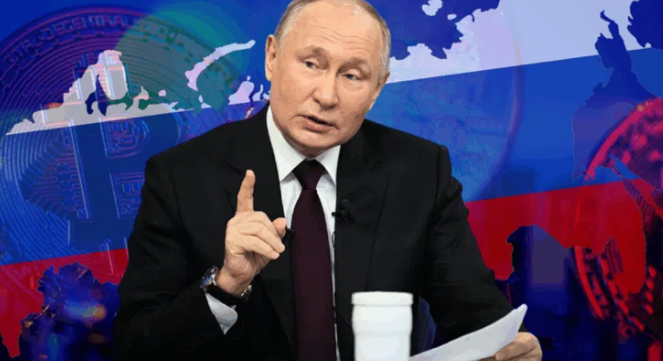
In a groundbreaking move, Russia is set to launch a state-backed cryptocurrency exchange targeting “super-qualified investors,” marking a significant shift in its approach to digital assets. This initiative, driven by the Russian Ministry of Finance and the Central Bank, aims to legalize and regulate crypto transactions under a controlled experimental legal regime (ELR). As the global cryptocurrency market continues to evolve, this development positions Russia as a key player in the regulated crypto space, particularly for high-net-worth individuals. In this blog post, we’ll explore the details of Russia’s crypto exchange, its implications for investors, and how it aligns with the country’s broader economic strategy amid international sanctions.
Understanding Russia’s Crypto Exchange Initiative
The announcement of Russia’s crypto exchange came from Finance Minister Anton Siluanov during a recent Ministry of Finance board meeting, as reported by local media outlet RBC. The platform is designed exclusively for “super-qualified investors,” a new category defined by stringent financial criteria. According to the Central Bank, these investors must hold at least ₽100 million (approximately $1.2 million) in securities or deposits or have an annual income exceeding ₽50 million (around $600,000). These thresholds, while still under discussion, reflect Russia’s cautious approach to integrating cryptocurrencies into its financial system, ensuring only sophisticated investors with high risk tolerance can participate.
The exchange will operate under an experimental legal regime, a regulatory sandbox that allows the government to test financial innovations in a controlled environment. Unlike domestic financial systems, the platform will handle crypto transactions permitted under the ELR, keeping it separate from Russia’s retail markets. This move aligns with Russia’s broader goal of bringing crypto operations “out of the shadows,” as Siluanov stated, by creating a transparent and regulated framework for digital asset trading.
Why Russia Is Embracing Crypto for Elite Investors
Russia’s decision to launch a crypto exchange for top investors comes amid increasing geopolitical and economic pressures, particularly Western sanctions that have restricted its access to global financial systems. Cryptocurrencies, with their decentralized nature, offer a potential workaround for sanctions evasion, enabling cross-border transactions without reliance on traditional banking systems. The Russian government has been exploring legal pathways for crypto use, including allowing Bitcoin for international trade by small businesses and proposing a ruble-backed stablecoin.
The new exchange is part of a three-year pilot program aimed at testing regulated crypto markets. By limiting access to super-qualified investors, Russia ensures that only those with significant financial resources and expertise can engage in direct crypto trading, while retail investors may access crypto-linked derivatives. This tiered approach reflects Russia’s cautious yet progressive stance on digital assets, balancing innovation with risk management.
Key Features of the Crypto Exchange
The Russian crypto exchange is poised to offer several unique features that cater to high-net-worth investors. The platform will likely integrate with existing financial infrastructure, such as the Moscow Exchange, which has expressed readiness to launch crypto-linked derivatives in 2025. The Saint Petersburg Stock Exchange (SPB Exchange) has also voiced support, planning to introduce products tied to cryptocurrency values. These developments signal strong institutional backing for Russia’s crypto ambitions.
The exchange will prioritize transparency and regulatory compliance, addressing concerns about illicit activities in the crypto space. Unlike unregulated platforms like Garantex, which faced sanctions and asset freezes, the state-backed exchange will operate under strict oversight, requiring Know Your Customer (KYC) checks and adherence to anti-money laundering (AML) regulations. This regulatory framework aims to attract legitimate investors while deterring cybercriminal activity.
Additionally, the platform may support a range of cryptocurrencies, including Bitcoin, Ethereum, and potentially stablecoins like a ruble-backed digital currency. The inclusion of stablecoins could enhance the exchange’s appeal for international trade, offering stability in volatile markets. As Russia explores yuan- and BRICS-based stablecoins, the exchange could become a hub for non-dollar-denominated transactions, further reducing reliance on Western financial systems.
Implications for Investors and the Global Crypto Market
For super-qualified investors, Russia’s crypto exchange presents a unique opportunity to engage in regulated digital asset trading within a state-supported framework. The platform’s exclusivity ensures access to sophisticated financial products, such as crypto derivatives, which can diversify investment portfolios. Moreover, the exchange’s alignment with Russia’s sanction-evasion strategy could attract investors seeking alternative markets amid global economic uncertainties.
On a global scale, Russia’s move signals a growing acceptance of cryptocurrencies among sanctioned economies. As countries like Iran and Venezuela explore similar strategies, the emergence of parallel crypto markets could fragment global liquidity, as noted by some analysts. However, Russia’s regulated approach may set a precedent for other nations, encouraging the development of legal frameworks that balance innovation with oversight.
The exchange also poses challenges for traditional financial institutions skeptical of cryptocurrencies. Critics like Igor Danilenko of Renaissance Capital have dismissed crypto as a “pyramid scheme” lacking real backing. Yet, the involvement of major players like the Moscow Exchange and SPB Exchange suggests that digital assets are gaining legitimacy in Russia’s financial ecosystem, potentially influencing global perceptions.
Russia’s Evolving Crypto Landscape
Russia’s crypto exchange initiative builds on its evolving relationship with digital assets. While the country banned crypto payments in 2021, recent years have seen a shift toward legalization and regulation. In 2024, Russia legalized cryptocurrency mining and allowed its use for international trade, reflecting a pragmatic approach to economic challenges. The Central Bank’s digital ruble pilot, set for a full launch in 2025, further underscores Russia’s commitment to digital finance.
The proposed exchange also addresses past setbacks, such as the sanctions on Garantex, which processed billions in transactions before its disruption in 2025. By creating a state-run platform, Russia aims to mitigate risks associated with unregulated exchanges while fostering a secure environment for high-net-worth investors. This strategic pivot could enhance Russia’s position in the global crypto market, attracting both domestic and international players.